
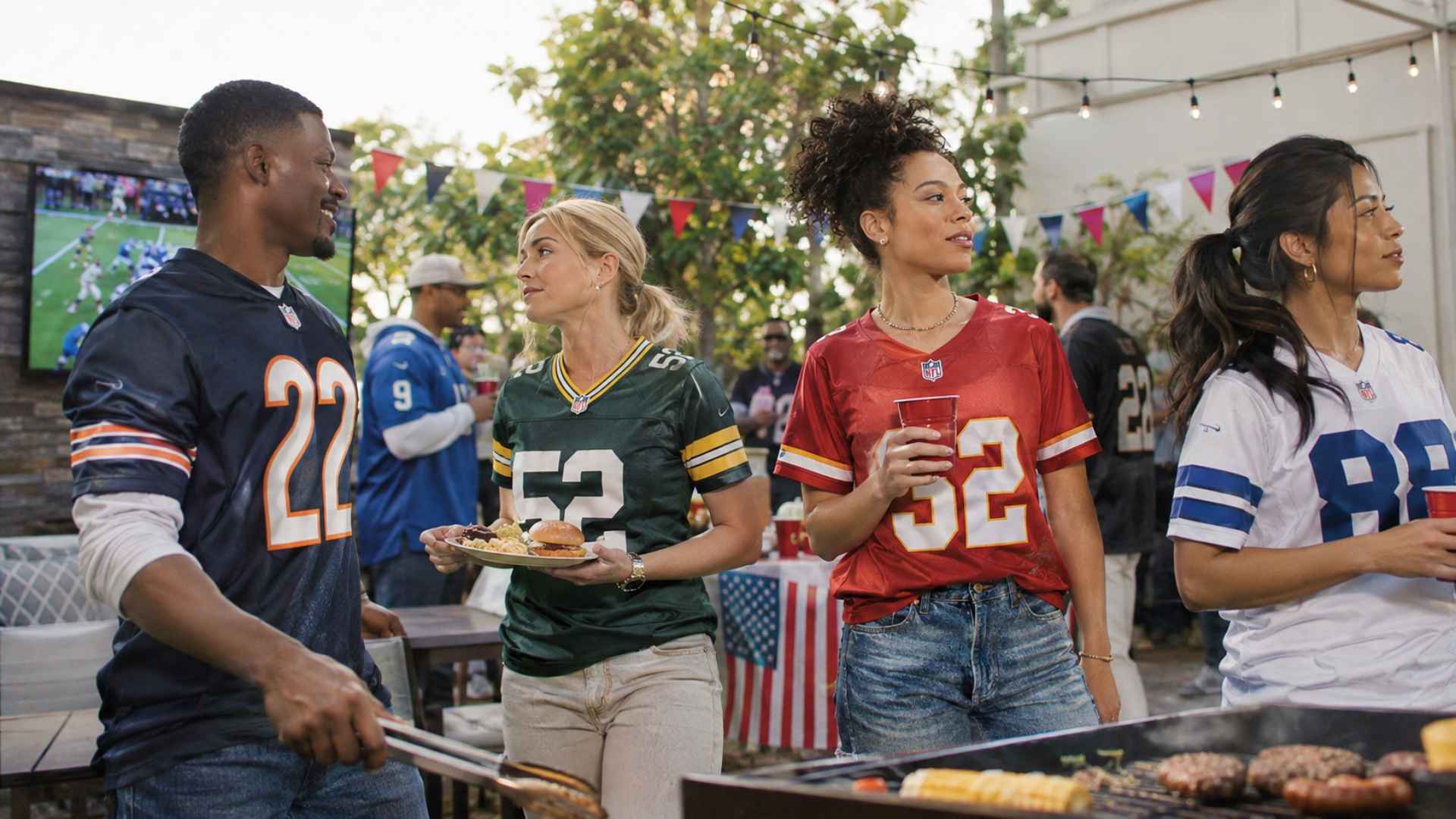
NFL jerseys have become much more than clothing worn by football players. Across the United States, they represent team loyalty, personal identity, local pride, and a deep connection to American sports culture. From professional stadiums to neighborhood gatherings, fans wear their favorite team jerseys to show support and feel connected to the game. The colors, numbers, and logos often carry stories that go beyond football itself.
Over the years, NFL jerseys have also become an important part of American fashion and everyday life. People wear them during game days, sporting events, social gatherings, and even as casual streetwear. Whether someone supports the Dallas Cowboys, Green Bay Packers, or Kansas City Chiefs, wearing a jersey is a simple way to express passion for a team and share a common interest with other football fans.
The History of NFL Jerseys and Their Connection to American Football
The history of NFL jerseys is closely connected to the development of professional football in the United States. In the early years of the National Football League, uniforms were mainly designed for practical purposes. Players needed clothing that helped identify their teammates and opponents during games. As football became more popular, teams gradually developed distinctive colors, designs, and numbers that made their uniforms easier to recognize.
Over time, NFL jerseys became an important part of each team’s identity. Team colors and logos started representing more than just a sports organization. They became symbols of cities, communities, and generations of supporters. As television coverage expanded, more Americans became familiar with different team uniforms. This exposure helped NFL jerseys gain wider recognition and made them an important visual part of professional football culture.
NFL Jerseys as Symbols of Team Loyalty and Personal Identity
For many American football fans, wearing an NFL jersey is a meaningful way to demonstrate loyalty. Supporters often choose jerseys featuring their favorite players, legendary athletes, or recognizable team numbers. Some fans wear the same jersey for years because it reminds them of important games, unforgettable seasons, or special memories shared with family and friends. In this way, a jersey can carry personal meaning that goes far beyond its appearance.
NFL jerseys also help create a sense of belonging among supporters. On game days, fans wearing the same team colors can easily recognize one another, even when they come from different backgrounds or communities. This shared identity becomes especially visible during major events such as the Super Bowl, when supporters gather in homes, sports bars, and public spaces. Wearing a jersey allows fans to feel like part of something bigger than themselves.
The Influence of NFL Jerseys on American Fashion and Popular Culture
NFL jerseys have gradually moved beyond football stadiums and become part of American popular culture. Their influence can be seen in casual fashion, streetwear, music, and entertainment. Many people wear football jerseys even when they are not watching a game because they enjoy the relaxed appearance and recognizable designs. Oversized jerseys, in particular, have become associated with casual urban fashion and sports inspired clothing.
The connection between NFL jerseys and music culture has also helped increase their popularity. Hip hop artists and other entertainers have frequently worn sports jerseys in music videos, performances, and public appearances. This connection has helped introduce NFL team designs to audiences who may not follow professional football closely. As a result, jerseys have developed a cultural presence that reaches beyond traditional sports fans and into different areas of American entertainment.
Another important aspect of NFL jersey culture is its connection to history and nostalgia. Vintage jerseys, especially those associated with famous players and memorable teams, often remind fans of important moments in football history. For example, jerseys connected to legendary athletes such as Jerry Rice, Joe Montana, and Walter Payton remain recognizable among generations of supporters. These uniforms represent memorable achievements and the lasting influence of players who helped shape the sport. At the same time, modern jersey designs allow teams to maintain their traditional identities while introducing updated styles. This combination of history and modern fashion keeps NFL jerseys relevant in American culture.