
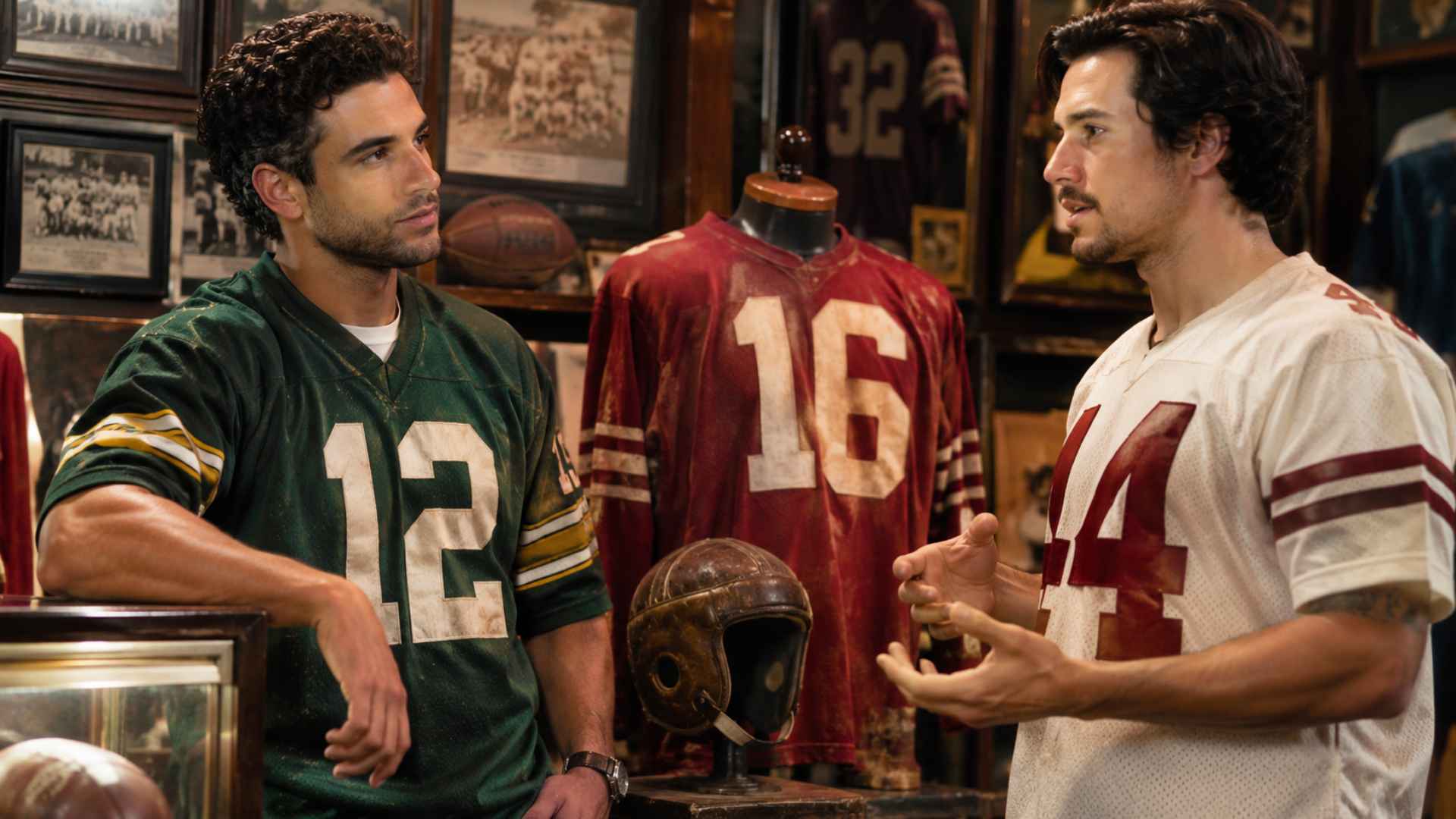
NFL throwback jerseys represent a visible connection between professional football’s present identity and its earlier generations. Historic uniforms preserve familiar colors, lettering styles, and design details associated with particular periods in a franchise’s history. For supporters, these garments can recall memorable seasons, admired players, or the first experiences that established their attachment to a football team.
Uniform designs have changed throughout the history of the National Football League. Teams have adjusted helmet graphics, jersey numbers, sleeve stripes, color combinations, and fabric construction to reflect different eras. Some changes were influenced by equipment developments, while others involved branding decisions. Throwback uniforms recreate selected historical features, allowing older visual identities to appear alongside contemporary team merchandise.
The NFL began permitting teams to wear throwback uniforms as part of its 75th anniversary celebration in 1994. These designs eventually became recurring features of selected games and team commemorations. In 2021, the league approved a change allowing alternate helmets to accompany certain alternate uniforms beginning with the 2022 season, expanding the possibilities for historically coordinated uniform combinations.
Historic Uniform Designs and Franchise Identity
Football uniforms provide recognizable visual records of a team’s development. Jersey lettering, shoulder details, and color placement can distinguish one decade from another, even when a franchise retains its primary symbols. Reintroducing these elements allows teams to acknowledge their history without permanently replacing contemporary uniforms. The designs also help younger supporters recognize earlier periods through photographs, televised archives, and historical displays.
The New Orleans Saints offer an example of this relationship between uniforms and franchise heritage. Established for their inaugural NFL season in 1967, the team has maintained black and gold as defining colors. Throwback combinations have referenced early uniform designs, including older gold tones and traditional striping. The franchise also used historic-inspired uniforms in connection with its 50th anniversary season.
Nostalgia and Emotional Connections to Football
Sports nostalgia frequently develops through personal associations rather than uniform design alone. Supporters may connect particular jerseys with family gatherings, stadium visits, television broadcasts, or athletes they admired during childhood. The garment becomes a reminder of those experiences, even when the individual never owned an original jersey from the period being represented.
Throwback jerseys also connect different generations of supporters. Older fans may recognize a design from its original use, while younger fans encounter it through archived footage, anniversary celebrations, or current merchandise. Conversations about historic uniforms can lead to discussions of retired players, memorable games, and changes in professional football. These interactions preserve elements of team history beyond official records.
Jersey Authenticity and Historical Accuracy
Modern throwback merchandise does not always reproduce historical uniforms exactly. Fabric technology, sizing standards, manufacturer details, and league equipment requirements have changed considerably. Some products emphasize visual resemblance rather than reproducing the construction methods of earlier decades. Understanding these differences helps collectors distinguish contemporary commemorative merchandise from genuine vintage garments produced during the original period.
Collectors often examine tags, stitching, numbering, logos, and manufacturing details when evaluating older football jerseys. Player names and numbers must also correspond to the relevant team’s roster and historical period when accuracy matters. Licensed reproductions can provide an accessible alternative to scarce original garments, but their age and collectible characteristics should not be confused with those of vintage examples.
Throwback jerseys remain meaningful because they connect physical merchandise with memories and shared sporting traditions. Their appeal extends beyond occasional uniform appearances or changing fashion preferences. By preserving recognizable elements of earlier designs, these garments provide a practical way for supporters to acknowledge team heritage. Historical accuracy, personal attachment, and familiarity with past players all contribute to their lasting place in football fan culture.